Digital‑Wallet Fees and Other Hidden COGS: Tracking Platform Cuts the Smart Way
Plan your expenses and deductions strategically each year
Egestas tincidunt ipsum in leo suspendisse turpis ultrices blandit augue eu amet vitae morbi egestas sed sem cras accumsan ipsum suscipit duis molestie elit libero malesuada lorem ut netus sagittis lacus pellentesque viverra velit cursus sapien sed iaculis cras at egestas duis maecenas nibh suscipit duis litum molestie elit libero malesuada lorem curabitur diam eros.
- Morbi fringilla molestie magna sed dictum. Praesent pharetra turpis augue.
- Cras mi purus, viverra vitae felis sit amet, tincidunt fringilla lorem.
- non mattis urna ex nec sem. Donec varius diam et suscipit venenati proin tincidunt
- Quisque euismod posuere lacus sit amet volutpat. Praesent vel imperdiet
Maintain accurate and organized financial records for easy reporting
Tincidunt pharetra at nec morbi senectus ut in lorem senectus nunc felis ipsum vulputate enim gravida ipsum amet lacus habitasse eget tristique nam molestie et in risus sed fermentum neque elit eu diam donec vitae ultricies nec urna cras congue et arcu nunc aliquam at.

Talk to a tax professional for expert guidance
At mattis sit fusce mattis amet sagittis egestas ipsum nunc scelerisque id pulvinar sit viverra euismod. Metus ac elementum libero arcu pellentesque magna lacus duis viverra pharetra phasellus eget orci vitae ullamcorper viverra sed accumsan elit adipiscing dignissim nullam facilisis aenean tincidunt elit. Non rhoncus ut felis vitae massa mi ornare et elit. In dapibus.
- Morbi fringilla molestie magna sed dictum. Praesent pharetra turpis augue.
- Cras mi purus, viverra vitae felis sit amet, tincidunt fringilla lorem.
- non mattis urna ex nec sem. Donec varius diam et suscipit venenati proin tincidunt
- Quisque euismod posuere lacus sit amet volutpat. Praesent vel imperdiet
Personalized Marketing: AI helps in analyzing customer data to create personalized marketing campaigns
At mattis sit fusce mattis amet sagittis egestas ipsum nunc. Scelerisque id pulvinar sit viverra euismod. Metus ac elementum libero arcu pellentesque magna lacus duis viverra. Pharetra phasellus eget orci vitae ullamcorper viverra sed accumsan. Elit adipiscing dignissim nullam facilisis aenean tincidunt elit. Non rhoncus ut felis vitae massa. Elementum elit ipsum tellus hac mi ornare et elit. In dapibus.
“Amet pretium consectetur dui aliquam. Nisi quam facilisi consequat felis sit elit dapibus ipsum nullam est libero pulvinar purus et risus facilisis”
Use accounting and tax software to make management easier
Placerat dui faucibus non accumsan interdum auctor semper consequat vitae egestas malesuada quam aliquam est ultrices enim tristique facilisis est pellentesque lectus ac arcu bibendum urna nisl pharetra bibendum felis senectus dolor commodo quam elementum sapien suscipit qat non elit sagittis aliquam a cursus praesent diam lectus tellus mi lobortis in amet ac imperdiet feugiat tristique nulla eros mauris id aenean a sagittis et pellentesque integer ultricies sit non habitant in cras posuere dolor fames.
For many SaaS and e‑commerce companies, revenue flows through an ever‑growing stack of platforms—Stripe, PayPal, Shopify, ClassWallet, marketplaces, app stores, the list keeps expanding. Each platform quietly takes a percentage on its way to your bank account, and those charges often end up buried inside the top‑line revenue figure. The result is an inflated gross margin that can lead founders to over‑hire, overspend on marketing, or price products too low. In extreme cases, investors discover the true cost structure during diligence and start asking uncomfortable questions.
The Anatomy of a Hidden Fee
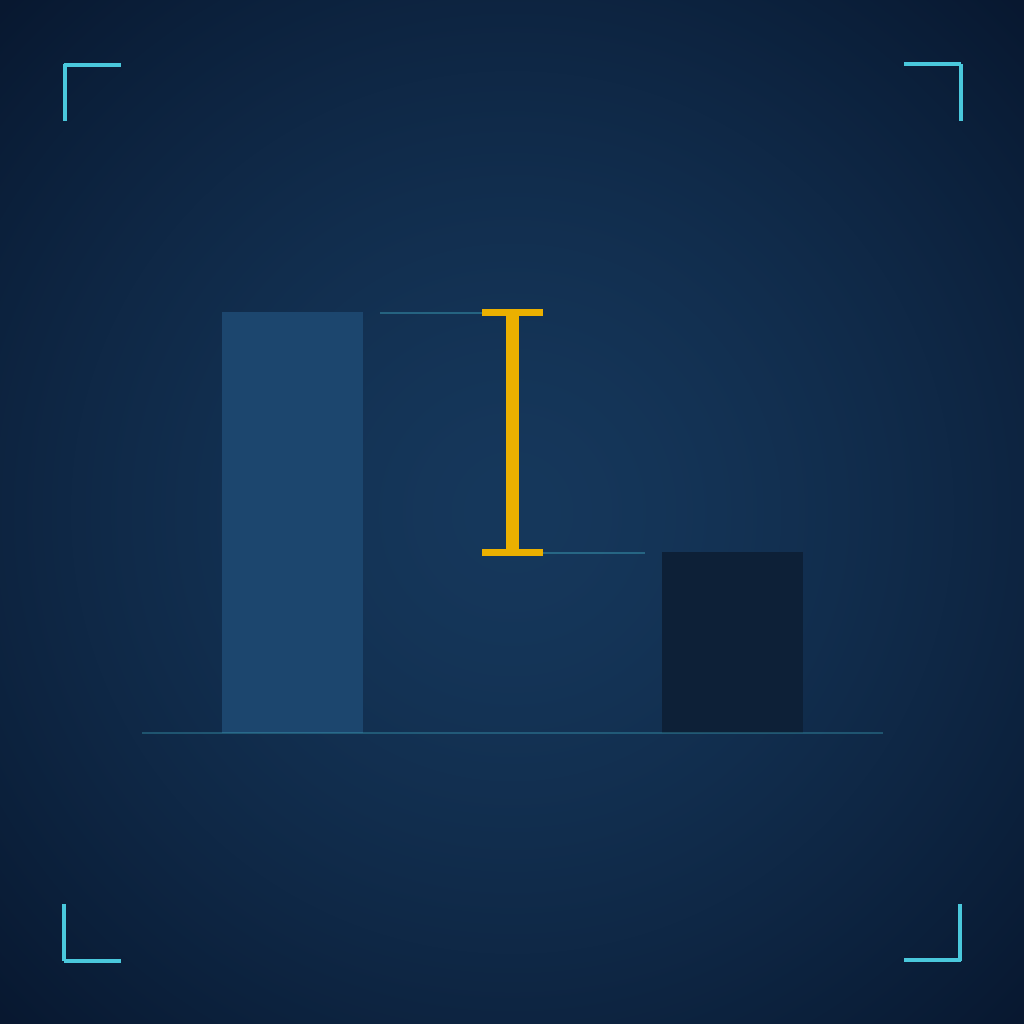
Platform fees hide in plain sight because most gateways deposit net proceeds—gross sales minus their cut—into your bank account. If the accounting system books that net amount straight into revenue, the associated cost of sales never appears on the profit‑and‑loss statement. Processing fees may look small on any single transaction, but at two to five percent of sales they can erode millions of margin dollars over a year.
Why Accurate COGS Classification Matters
Gross margin is the fuel you use to fund growth. When that metric is overstated, every downstream decision is skewed: advertising budgets may overshoot, headcount plans become too aggressive, and pricing discussions lack the real data required to protect profitability. Clean classification also boosts credibility with lenders and investors, who want assurance that the business understands its true economics.
Surfacing the Invisible Costs
The fix begins with data. Most payment platforms offer downloadable payout reports that show gross sales, refunds, chargebacks, and fees. Pull those exports at least monthly and import them into your general ledger. Next, create dedicated cost‑of‑sales accounts—for example “Stripe Processing Fees” or “Shopify Commission”—to collect the expense side. Finally, set up automation rules so future transactions land in the right buckets without manual intervention. Once fees sit below the revenue line, gross margin becomes a real reflection of product performance.
Turning Data Into Insight
With the chart of accounts cleaned up, layer on a simple dashboard that tracks gross margin both before and after fees. A sudden divergence signals a misclassification or a change in platform pricing that warrants renegotiation. Advanced teams may allocate fees back to individual SKUs or customer segments, revealing which products or cohorts are truly margin‑positive.
Conclusion
Digital‑wallet and marketplace fees are the classic iceberg expense—easy to ignore until the numbers drift off course. By surfacing and segmenting those costs, finance leaders give everyone from marketing to the board a clear view of economic reality. If you’d like clarity and accurate fee tracking, Till CFO provides an embedded team of Accounting & Finance professionals to level your finance function. Reach out for a quick demo and start turning hidden costs into clear decisions.

Latest resources